
Delivering for Farming Communities
The primary aim of ISDFF is to enhance the livelihoods of farming communities by facilitating the transfer of modern knowledge, promoting best management practices, and advancing climate-resilient farming systems.
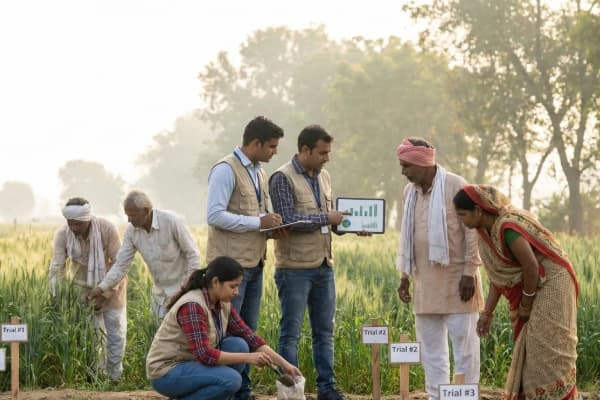
Research for Development
The sustainable development of the farming sector demands substantial investment in research, education, and capacity-building to generate and disseminate appropriate technologies, inputs, services, and institutional models. Our goal is to identify and promote region-specific technologies and practices through participatory research, field trials, and collaboration with academic, research, and extension institutions.
Learn more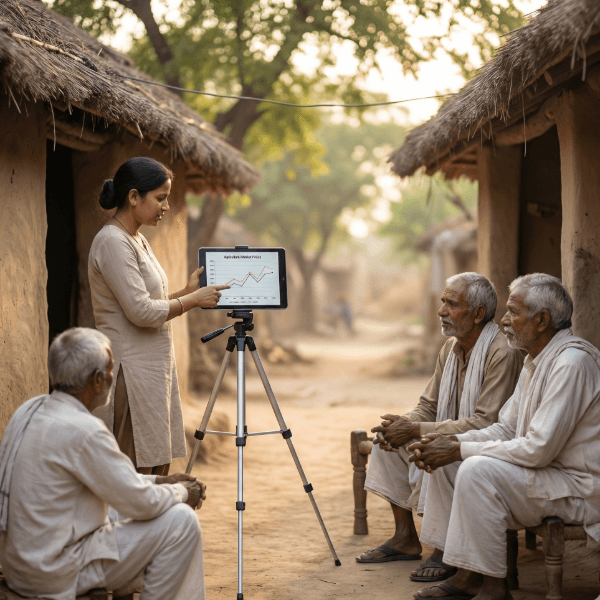
Bridging the Information Gap
Limited access to reliable information and the asymmetry in knowledge related to technology and market prices significantly constrain farmers' ability to maximize production. We aim to bring timely and relevant information directly to farmers' doorsteps by maintaining a skill inventory, training grassroots-level trainers, and disseminating information on climate-resilient strategies.
Learn more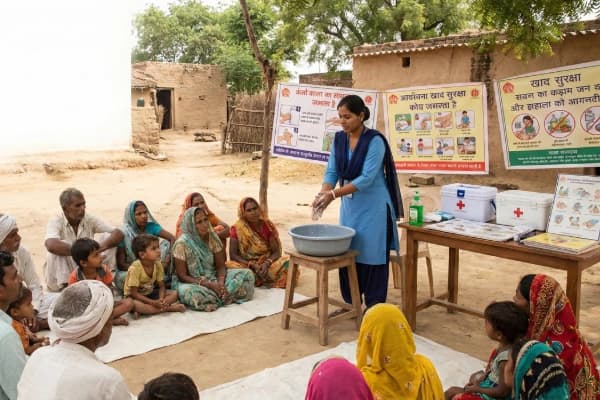
Food Safety and Farmers' Health
A farmer's physical well-being directly impacts their ability to carry out agricultural activities, and inadequate hygiene practices can introduce and spread contaminants. We organize Special Health Camps for Farmers and Their Families and coordinate with Regulatory Authorities to Ensure Compliance with Food Safety Standards.
Learn more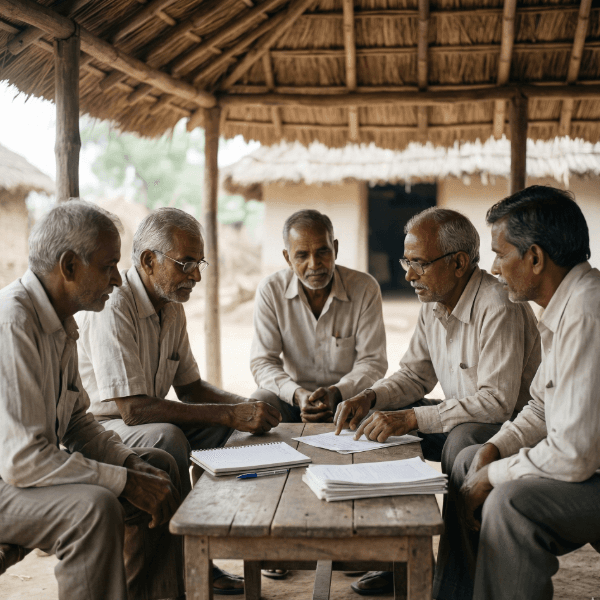
Empowering Through Community Organizations
Smallholder farmers face structural disadvantages such as uneconomic scale of production, low bargaining power, and limited marketable surplus. Farmers' bargaining power and economies of scale will be enhanced through the formation of Farmers Clubs, Self-help Groups, and Farmers Producer Organizations.
Learn more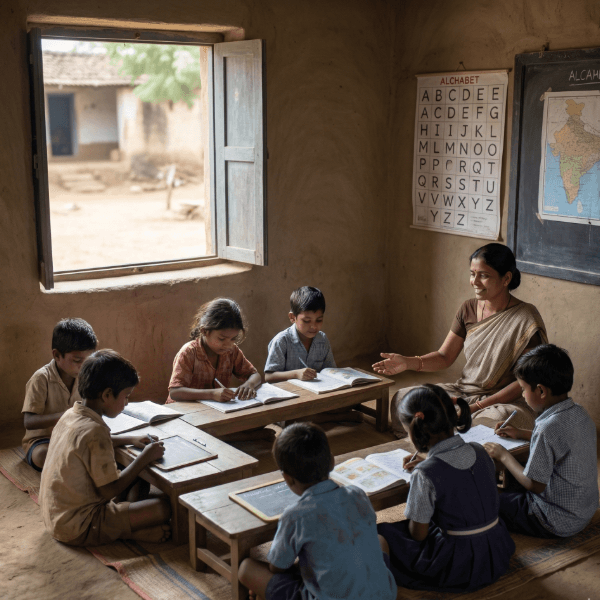
Education for All
With the decline in public investment in education and the growing emphasis on private education, rural households face increasing challenges in affording quality education for their children, which has contributed to rising school dropout rates in Odisha. Support and facilitation will be provided to children from economically disadvantaged communities.
Learn more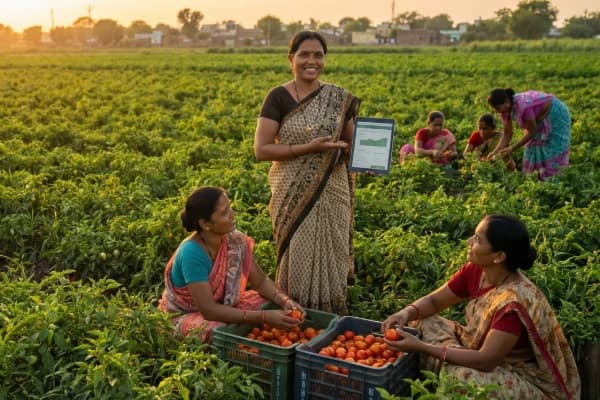
Women Empowerment
Women's contribution to the agriculture sector, whether in subsistence farming or commercial ventures, when measured in time spent and the number of tasks performed, is significantly greater than that of men. Despite a large number of women participating in agricultural activities, they seldom earn better income and profit. The organization aims to empower women by enhancing income and improving market access.
Learn more